How to Become a Social Media Manager in Kenya (2026)
 TIMEBUCKS
Low minimum
payout of just
$3 — start
earning today!
Every Kenyan business with a phone number now needs someone running its Facebook Page, Instagram feed, TikTok, and WhatsApp Business account — and most of them have no idea how to do it well. That gap is exactly where a social media manager career in Kenya lives.
Whether you want a salaried role at an agency, a corporate marketing seat, or a freelance business serving clients on Upwork and Fiverr, the path is learnable without a university degree in marketing.
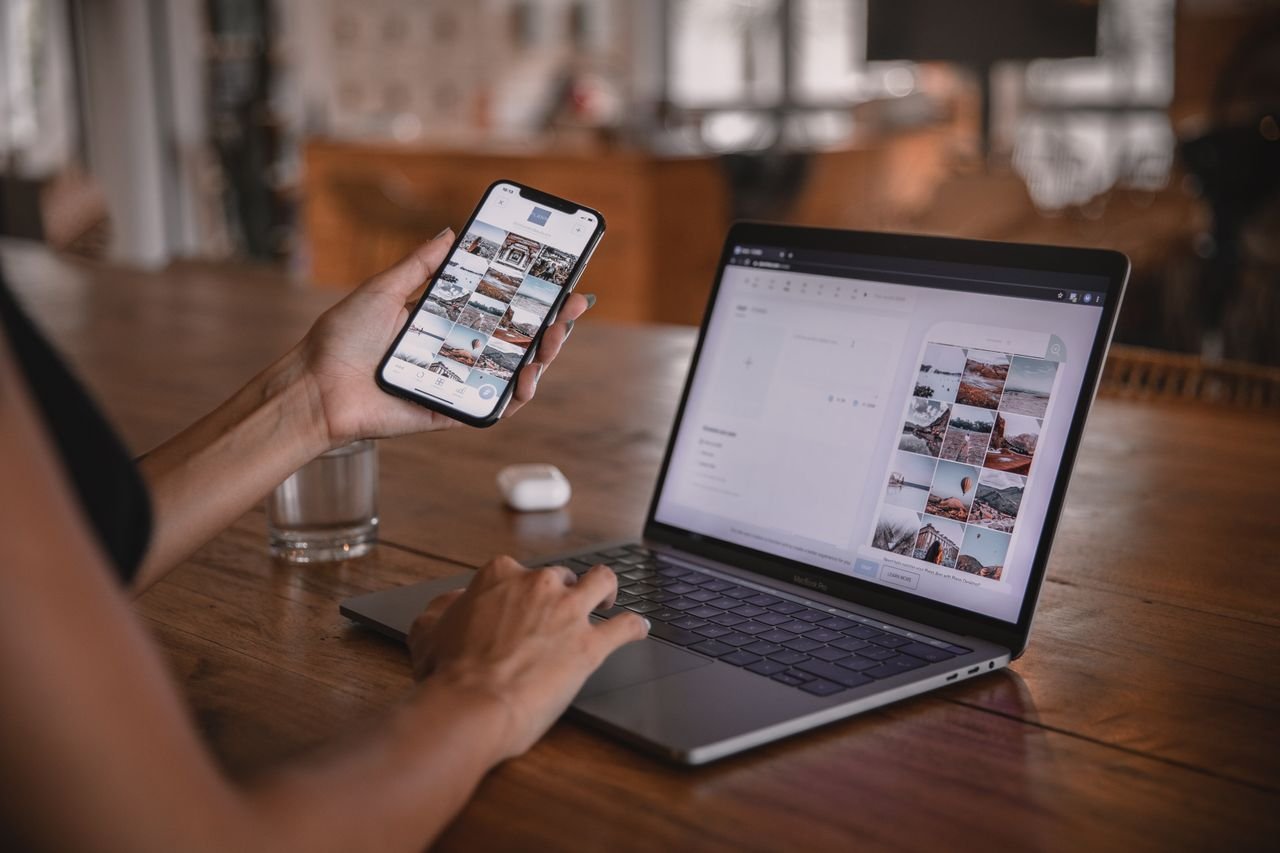
This guide walks through what a social media manager actually does, the skills and tools you need, realistic salary and freelance income figures for Kenya, and a concrete, step-by-step plan to land your first client or job — including free government-backed training you can start today.
Primary keyword used: social media manager Kenya
Key Takeaways
- You do not need a degree to become a social media manager in Kenya — you need a portfolio, platform skills, and proof you can grow an audience or drive results.
- Salaried social media manager roles in Kenya vary widely: entry-level positions often start around KES 25,000–65,000/month, with experienced managers earning KES 180,000–290,000+/month at agencies or larger companies.
- Freelancing internationally (via Upwork, Fiverr, or direct clients) generally pays more than local salaried roles, especially once you have a portfolio and reviews.
- Kenya has a direct M-Pesa withdrawal option on Upwork (up to KES 70,000 per transaction), making it one of the easier freelance platforms to get paid from locally.
- Ajira Digital, a free Kenyan government training program, offers social media management modules and mentorship at no cost.
- Building a portfolio by managing pages for friends, local businesses, or your own brand first is the most reliable way to break the “no experience, no clients” cycle.
Quick Answer: How Do You Become a Social Media Manager in Kenya?
To become a social media manager in Kenya, learn the core skills (content creation, scheduling, basic analytics, ad management, and platform-specific best practices), build a portfolio by managing a few real accounts — even for free or for friends — and then pursue either a salaried role at a company/agency or freelance clients through platforms like Upwork, Fiverr, or direct outreach to local businesses. No formal degree is required, though free training through Ajira Digital or paid courses (Meta Blueprint, Google Digital Skills for Africa, HubSpot Academy) can accelerate your credibility.
What Does a Social Media Manager Actually Do?
A social media manager handles a brand’s or individual’s presence across platforms so the business doesn’t have to think about it daily. The core responsibilities typically include:
- Content planning — building a content calendar so posting is consistent, not random
- Content creation — writing captions, designing graphics, filming or editing short-form video
- Community management — replying to comments, DMs, and reviews
- Paid ads — running and optimizing Facebook, Instagram, or TikTok ad campaigns
- Analytics and reporting — tracking what’s working and adjusting strategy
- Platform strategy — knowing that what works on Instagram often fails on LinkedIn, and adapting accordingly
Why this role exists: businesses know they need to be online, but most don’t have the time or the platform literacy to do it well — algorithms change, formats shift, and what worked six months ago often doesn’t work today.
Skills You Need to Get Started
You don’t need to master everything before you start applying for work — but you do need to be genuinely competent in most of these:
| Skill | Why It Matters |
|---|---|
| Content creation (writing, basic design, short-form video/Reels) | This is the daily deliverable clients are paying for |
| Scheduling tools (Meta Business Suite, Buffer, Later) | Keeps posting consistent without manual daily work |
| Basic graphic design (Canva) | Most clients expect visual content, not just text |
| Platform-specific knowledge | Facebook, Instagram, TikTok, and LinkedIn each reward different content formats and posting behavior |
| Analytics literacy | Being able to read engagement, reach, and conversion data and explain what it means |
| Paid ads basics | Running a simple Facebook/Instagram ad campaign is a highly requested, higher-paying skill |
| Client communication | Freelancers especially need to set expectations, report progress, and handle feedback professionally |
Pro tip: You don’t need every skill on day one. Start with content creation and scheduling — the most commonly requested skills — then add paid ads and analytics as you gain clients, since these command higher rates.
Where to Learn: Free and Paid Training Options
Ajira Digital (Free, Government-Backed)
Ajira Digital is a Government of Kenya initiative under the Ministry of Information, Communication and Digital Economy, offering free training in digital marketing, social media management, e-commerce, and related skills. It runs through Ajira Youth Empowerment Centres and university/TVET-based Ajira Clubs across the country, and issues certificates on completion. Training is free and open to Kenyan youth aged roughly 18–35 with basic English proficiency.
Why this matters: it’s a legitimate, no-cost way to build foundational skills and a certificate, with mentorship and links to freelance platforms built into the program.
Paid or Free Online Courses
- Meta Blueprint — free official certification covering Facebook and Instagram ads and page management
- Google Digital Skills for Africa — free foundational digital marketing courses
- HubSpot Academy — free social media and content marketing certifications
- Platform-specific YouTube tutorials — genuinely useful for learning Canva, CapCut, and scheduling tools hands-on
Self-Directed Practice
Running your own personal brand or a page for a friend’s small business teaches you more, faster, than most courses — because you’re solving real problems with a real audience.
Building a Portfolio Without Experience
This is the catch-22 every beginner faces: clients want proof of experience, but you can’t get experience without clients. Here’s how to break it:
- Manage your own accounts seriously. Grow a personal page or start a niche page (food, fashion, local news, comedy) and treat it like a real client account.
- Offer to manage a friend’s or family member’s small business page for free or low cost. A local salon, restaurant, or shop is often thrilled to have consistent posting.
- Volunteer for a school club, church group, or community organization. These are low-stakes environments to practice content planning and consistency.
- Document everything. Screenshot growth, engagement improvements, and any results (increased calls, DMs, foot traffic) — this becomes your portfolio evidence.
- Package it into a simple portfolio. A one-page document or a free Canva/Notion page showing before/after metrics, sample posts, and a short description of what you did is enough to start pitching real clients.
Read also: How to Make Money on Instagram in Kenya: The Complete 2026 Guide
How Much Do Social Media Managers Earn in Kenya?
Reported salaries vary significantly by source, employer, and city, so treat these as a general range rather than a fixed figure.
Salaried Roles (Local Employers)
| Experience Level | Typical Monthly Range (KES) |
|---|---|
| Entry-level (0–1 year) | ~25,000–65,000 |
| Mid-level (1–4 years) | ~65,000–180,000 |
| Senior / agency lead | ~180,000–290,000+ |
| Top-end (large agencies, multinational brands) | Up to ~419,000 (reported 90th percentile) |
Multiple salary-data sources show wide variance for this role in Kenya — some report averages closer to KES 33,000–47,000/month, others report figures well above KES 180,000/month for experienced managers at larger employers. The gap largely reflects employer size, industry, and whether the role includes paid ad management, since ads experience commands a premium.
Freelance Income (Local and International Clients)
Freelancers generally have no salary cap — income scales with the number and size of clients you take on. Kenyan freelancers working with international clients on skilled services (including social media management) commonly report significantly higher earnings than local-only salaried roles, particularly once they’ve built a reputation and reviews on platforms like Upwork.
Reality check: These are reported ranges from salary-data platforms and freelance guides, not a guarantee. Actual pay depends heavily on your skills, portfolio, client type, and negotiation — verify current figures on platforms like Glassdoor or PayScale before setting expectations.
Freelancing as a Social Media Manager: Platforms and Getting Paid
Best Platforms for Kenyan Freelancers
| Platform | Best For | Typical Payment Route |
|---|---|---|
| Upwork | Long-term clients, higher-value contracts | PayPal, Payoneer, or direct M-Pesa withdrawal (up to KES 70,000/transaction) |
| Fiverr | Productized “gig” packages for beginners | PayPal or Payoneer → bank → M-Pesa |
| Freelancer.com | Bidding on posted projects | Payoneer, PayPal, Skrill → M-Pesa |
| Kuhustle (local) | Kenyan clients specifically | Direct M-Pesa, no PayPal/Payoneer needed |
| Direct outreach (Instagram/WhatsApp/LinkedIn) | Local Kenyan SMEs | Direct M-Pesa or bank transfer |
Getting Paid: What Actually Works
- Upwork now supports direct M-Pesa withdrawals for Kenyan users, with a maximum of KES 70,000 per transaction and a three-day security delay after setup — this significantly simplifies getting paid compared to older PayPal-only routes.
- PayPal to M-Pesa works through the integration in the M-Pesa app, though it carries a conversion fee plus exchange-rate spread that typically totals somewhere in the 5–7% range.
- Payoneer doesn’t send directly to M-Pesa — you withdraw to a Kenyan bank account (commonly Equity, KCB, or Co-operative Bank) and then move funds to M-Pesa, which is usually fast and often free once in your bank account.
- Local platforms like Kuhustle pay Kenyan clients’ fees directly via M-Pesa, skipping the international-payment step entirely — useful if you’re focused on local SMEs rather than global clients.
⚠️ Warning: Never pay a “registration fee” to join a freelancing platform or to “unlock” jobs. Legitimate platforms (Upwork, Fiverr, Freelancer.com, Ajira Digital) never charge upfront fees to sign up or apply.
Step-by-Step: How to Become a Social Media Manager in Kenya
- Pick a starting lane. Decide whether you’re initially targeting salaried employment, local freelance clients, or international freelance clients — this shapes where you focus your effort.
- Learn the core skills. Start with content creation, Canva, and one scheduling tool. Add paid ads and analytics once you’re comfortable.
- Take free training if useful. Register for Ajira Digital or complete Meta Blueprint’s free certification to build both skills and credibility.
- Build a portfolio. Manage your own page or a friend’s business page and document real results.
- Set up your payment infrastructure early. Create your Upwork/Fiverr profile and confirm your M-Pesa or Payoneer withdrawal setup before you need it.
- Apply for salaried roles or start pitching freelance clients. Use job boards (BrighterMonday, Fuzu, LinkedIn) for salaried roles, or Upwork/Fiverr/direct outreach for freelance work.
- Take your first clients even at a lower rate. Early reviews and case studies are worth more than early income.
- Reinvest early earnings. Better tools (premium Canva, a scheduling tool, a course in ads) compound your ability to charge more later.
- Raise your rates as your portfolio grows. Once you have consistent results and reviews, this is your biggest lever for increasing income — more than searching for entirely new clients.
Common Mistakes Beginners Make
- Waiting until you feel “ready” to start. Managing a real account — even a small one — teaches more than another course.
- Underpricing indefinitely. Many beginners stay at rock-bottom rates long after they have the portfolio to charge more.
- Ignoring payment logistics until after landing a client. Set up Upwork’s M-Pesa withdrawal or a Payoneer account before you’re waiting on your first payout.
- Paying for “job access” or registration on freelance sites. This is a common scam pattern — legitimate platforms never charge to apply for or bid on work.
- Only learning content creation and skipping analytics. Clients increasingly want to see results, not just posts — being able to explain reach, engagement, and conversions makes you more valuable.
- Spreading across too many platforms at once as a beginner. It’s easier to get genuinely good at Instagram and Facebook first, then expand to TikTok, LinkedIn, or X.
Expert Tips for Growing Your Social Media Management Career
- Specialize in a niche. A social media manager who understands, say, real estate, restaurants, or beauty brands specifically can charge more than a generalist, because they speak the client’s industry language.
- Learn paid ads early. Clients pay a premium for managers who can run and optimize ad campaigns, not just organic posting.
- Use client results as your marketing. A short case study (“grew X’s Instagram from 500 to 5,000 followers in 4 months”) is far more persuasive than a list of skills.
- Combine local and international clients. Local Kenyan clients paying in KES via M-Pesa give you steady cash flow; international clients on Upwork or Fiverr typically pay more per hour once you’re established.
- Keep learning platform changes. Algorithms, formats, and monetization rules shift constantly — staying current is part of the job, not a one-time learning phase.
Comparison: Salaried Role vs. Freelancing
| Factor | Salaried Role | Freelancing |
|---|---|---|
| Income ceiling | Fixed by employer/role level | No cap — scales with clients |
| Income stability | More predictable | Variable, especially early on |
| Getting started | Requires an employer to hire you | Can start immediately with your own outreach |
| Client/employer relationships | One employer | Multiple clients, more juggling |
| Payment logistics | Standard payroll | You manage invoicing, currency conversion, M-Pesa/Payoneer setup |
| Best for | Those wanting stability while building skills | Those comfortable with variable income and self-management |
FAQs
1. Do I need a degree to become a social media manager in Kenya? No. Most employers and clients care more about your portfolio, skills, and results than formal qualifications, though a marketing-related degree can help for corporate roles.
2. How much does a social media manager earn in Kenya? Reported figures vary widely — entry-level salaried roles often start around KES 25,000–65,000/month, while experienced managers at agencies or larger companies can earn KES 180,000–290,000+/month. Freelancers generally have a higher, uncapped earning potential.
3. Is Ajira Digital legitimate? Yes. It’s a Government of Kenya program under the Ministry of Information, Communication and Digital Economy, offering free training and mentorship, with real certificates issued on completion.
4. Can I become a social media manager without any experience? Yes — build initial experience by managing your own page, a friend’s small business account, or a community organization’s page, then use that as your portfolio.
5. What’s the fastest way to get my first paying client? Direct outreach to local businesses with a weak or inactive social media presence, combined with a simple portfolio showing what you can do, tends to work faster than waiting for inbound leads on freelance platforms.
6. Which freelance platform is best for Kenyan social media managers? Upwork is strong for higher-value, longer-term contracts and now supports direct M-Pesa withdrawals. Fiverr suits beginners productizing specific services. Kuhustle is useful for local Kenyan clients paying directly in KES.
7. How do I get paid from Upwork in Kenya? Upwork supports direct M-Pesa withdrawal for Kenyan users, up to KES 70,000 per transaction, alongside standard options like PayPal and Payoneer.
8. Does Payoneer send money directly to M-Pesa? No. Payoneer withdrawals go to a Kenyan bank account first (commonly Equity or KCB), and from there you transfer to M-Pesa, usually quickly and often free.
9. What tools should I learn first? Start with Canva for design, Meta Business Suite or a scheduler like Buffer for posting, and basic Facebook/Instagram Ads Manager once you’re comfortable with content creation.
10. Is social media management a good side hustle in Kenya? Yes — it’s commonly started as a side hustle alongside a job or studies, since it requires minimal upfront cost (a smartphone and internet access) and can scale into full-time freelance work.
11. How long does it take to start earning as a social media manager? This varies significantly by effort and niche, but many freelance guides suggest meaningful income typically takes a few months of consistent portfolio-building and outreach rather than happening immediately.
12. Should I specialize in one platform or learn all of them? Beginners generally do better mastering one or two platforms (commonly Instagram and Facebook) before expanding, since each platform has different content formats and audience behavior.
13. Can I run paid ads for clients without formal certification? Yes, though completing Meta Blueprint’s free certification adds credibility and teaches you the platform’s ad tools properly before you manage a client’s ad budget.
14. What’s the biggest mistake new social media managers make? Underpricing their services long after they’ve built a strong portfolio, and neglecting to learn analytics and paid ads, which are the skills that command higher rates.
15. Are there scams to watch out for in this field? Yes — be wary of any platform or “job” asking you to pay a registration or activation fee. Legitimate freelance platforms and Ajira Digital never charge to sign up or apply for work.
Final Checklist Before You Start
- [ ] Learned core skills: content creation, Canva, one scheduling tool
- [ ] Completed free training (Ajira Digital and/or Meta Blueprint)
- [ ] Built a portfolio with at least one real account (own, friend’s, or community)
- [ ] Documented results (growth, engagement, or business outcomes)
- [ ] Set up Upwork/Fiverr profile and confirmed M-Pesa or Payoneer withdrawal method
- [ ] Identified whether you’re targeting salaried roles, local clients, or international clients
- [ ] Avoided any platform or job asking for upfront payment
Conclusion & Next Steps
Becoming a social media manager in Kenya doesn’t require a marketing degree or years of experience — it requires real, demonstrable skill and a portfolio that proves you can grow an audience or drive results. The path is genuinely open right now: businesses need this skill more than ever, free training exists through Ajira Digital, and Kenya-specific payment infrastructure like Upwork’s direct M-Pesa withdrawal has made freelancing meaningfully easier than it was a few years ago.
Your next step: pick one platform to master, offer to manage a real account (even for free) to build your first portfolio piece, and set up your Upwork or Fiverr profile so you’re ready to pitch clients as soon as you have something to show.
Read also:
- How to Make Money on Instagram in Kenya: The Complete 2026 Guide
- How to Make Money on Facebook in Kenya (2026 Guide)
- How to Make Money on TikTok in Kenya: The Complete 2026 Guide
- How to Make Money on WhatsApp in Kenya: The Complete 2026 Guide
TIMEBUCKS
Low minimum
payout of just
$3 — start
earning today!