How to Make Money with YouTube Shorts in Kenya (2026 Guide)
 TIMEBUCKS
Low minimum
payout of just
$3 — start
earning today!
YouTube Shorts has quietly become one of the most realistic ways for a young Kenyan with just a smartphone to build an audience — and eventually, an income.
You don’t need a camera crew, a studio, or capital to start. You need a phone, an idea, and consistency.
But here’s what most “get rich on Shorts” content won’t tell you: making money with YouTube Shorts in Kenya takes longer than the hype suggests, the per-view earnings are small, and the platform’s rules changed again in August 2026.
If you want a channel that actually earns — not just goes viral once — you need the real numbers, not wishful thinking.
This guide covers exactly how YouTube Shorts monetization works in 2026, what you need to qualify, how much you can realistically earn in Kenyan Shillings, how payments reach Kenya (including the M-Pesa question everyone asks), and a practical action plan you can start today.
Key Takeaways
- Quick answer: You monetize YouTube Shorts through the YouTube Partner Program (YPP). You need either 500 subscribers (fan-funding tier) or 1,000 subscribers plus 10 million Shorts views in 90 days (full ad-revenue tier), an AdSense account, and no active Community Guidelines strikes.
- Shorts pay through a pooled revenue model, not per-video ads like long videos. Creators keep 45% of the Shorts ad pool, split according to their share of total monetized views.
- Shorts RPM (revenue per 1,000 views) is low — typically $0.03–$0.15 — so views alone rarely make you rich. Most serious Shorts earners combine ad revenue with brand deals, affiliate links, and long-form content.
- AdSense does not pay directly to M-Pesa. Kenyan creators receive payments via bank transfer (Equity, KCB, and others) or a payment aggregator like IntaSend, then move funds to M-Pesa themselves.
- YouTube is raising monetization requirements for new creators starting February 1, 2027 — from 10 million to 20 million Shorts views (or 4,000 to 8,000 watch hours) in 90 days/12 months. If you’re starting now, plan around this.
- Realistic timeline: most Kenyan creators take 6–18 months to reach meaningful, consistent income from YouTube Shorts.
1. What Is YouTube Shorts Monetization?
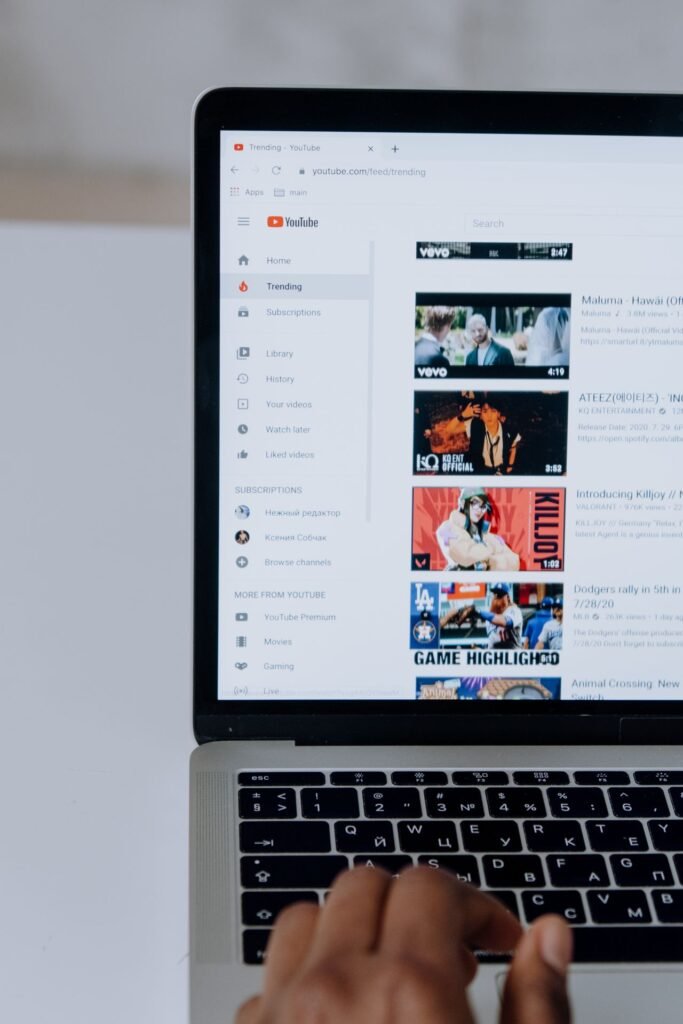
YouTube Shorts are vertical videos of up to three minutes that appear in a dedicated Shorts feed on the app. Monetization means YouTube shares a portion of the advertising revenue it earns from ads shown between Shorts in that feed with eligible creators.
This is different from how long-form YouTube videos earn money. A regular video carries its own ads, and you earn a direct share of what those specific ads generate. Shorts don’t work that way — there’s no single ad tied to your Short. Instead, all Shorts ad revenue goes into one shared pool, and creators are paid based on their share of total views. We’ll break this down properly in Section 3.
Shorts monetization officially launched globally, including in Kenya, in February 2023, and Google has continued to expand and adjust it since.
2. YouTube Shorts Monetization Requirements in 2026
As of August 2026, YouTube runs two entry tiers into the YouTube Partner Program (YPP). You only need to hit one of the performance metrics in each tier — not both.
Tier 1: Early Access (Fan Funding Only)
| Requirement | Threshold |
|---|---|
| Subscribers | 500 |
| Public uploads | At least 3 in the last 90 days |
| Watch hours OR | 3,000 public watch hours (last 12 months) |
| Shorts views OR | 3 million valid public Shorts views (last 90 days) |
This tier unlocks channel memberships, Super Chat, Super Thanks, Super Stickers, and YouTube Shopping — but not ad revenue sharing on Shorts or long-form videos.
Tier 2: Full Monetization (Includes Ad Revenue)
| Requirement | Threshold |
|---|---|
| Subscribers | 1,000 |
| Watch hours OR | 4,000 public watch hours (last 12 months) |
| Shorts views OR | 10 million valid public Shorts views (last 90 days) |
This is the tier that unlocks ad revenue sharing on Shorts and long-form videos, and YouTube Premium revenue.
Additional requirements (both tiers)
- Live in a country where YPP is available (Kenya qualifies).
- No active Community Guidelines strikes.
- 2-Step Verification enabled on your Google account.
- A linked, approved AdSense account.
- Compliance with YouTube’s monetization policies (originality, advertiser-friendly content, no reused/duplicated content without transformation).
⚠️ Important update — requirements are rising in 2027. On August 10, 2026, YouTube announced that starting February 1, 2027, new applicants to the full monetization tier will need 8,000 watch hours or 20 million Shorts views in 90 days — double the current thresholds. This won’t affect creators already accepted into YPP before that date, but if you’re starting your channel now, it’s worth pushing to qualify before the new terms apply. Always confirm the latest thresholds on YouTube’s official Partner Program page, since these policies can shift again.
Quick Decision Tree
- Posting mostly Shorts, want to earn fast? → Aim for 500 subs + 3M Shorts views (90 days) to unlock Tier 1 income streams first, then push to 1,000 subs + 10M views for ad revenue.
- Posting a mix of Shorts and long videos? → Either watch-hour path or Shorts-view path works — use whichever is closer to your current numbers.
- Only have a handful of subscribers? → Focus on consistency and hitting the 500-subscriber, 3-upload Tier 1 bar first. It’s a realistic near-term goal.
3. How the Shorts Revenue Pool Actually Works
This is the part most articles skip, and it’s the reason your Shorts RPM will look tiny compared to long-form videos. Here’s the process, confirmed directly from YouTube’s own Shorts monetization policy:
- YouTube totals all ad revenue earned from ads shown in the Shorts feed globally, broken down by country.
- Music licensing costs are deducted first. If a Short uses licensed music, a portion of that Short’s allocated revenue goes toward covering the music license — this happens automatically and doesn’t reduce what you personally earn; it slightly reduces the size of the shared pool for everyone.
- What’s left forms the Creator Pool for that country.
- Your share is calculated by your percentage of total engaged Shorts views among all monetizing creators in that country that month. If your Shorts got 1% of all eligible views, you get 1% of that country’s Creator Pool.
- YouTube pays creators 45% of their allocated share. YouTube keeps the remaining 55% — the reverse of the 55/45 split used for long-form ads, where creators keep 55%.
Worked example
Suppose the Kenya Creator Pool for a given month is KSh 3,000,000, and your Shorts earned 0.5% of all eligible monetized views that month.
- Your allocation: 0.5% × KSh 3,000,000 = KSh 15,000
- Your payout after the 45% share: 45% × KSh 15,000 = KSh 6,750
This is illustrative math to show the mechanism — not a guaranteed earnings figure. Actual pool sizes and view shares change monthly and YouTube does not publish country-level pool totals.
Why this matters practically: your earnings depend on your share of total views, not just your raw view count. As more creators join Shorts monetization, the pool gets divided more ways — which is part of why consistent, above-average engagement matters more than one viral hit.
4. How Much Can You Realistically Earn in Kenya?
Be skeptical of any number that promises guaranteed income — nobody can promise that, including this guide. What follows are realistic ranges based on how the Shorts pool and RPM typically behave.
Typical Shorts RPM (Revenue Per 1,000 Views)
Most creators globally report an RPM of roughly $0.03 to $0.15 per 1,000 Shorts views after YouTube’s cut — that’s a rough KSh 4 to KSh 20 per 1,000 views, depending on your audience’s country mix, niche, and time of year. Finance, tech, and business content aimed at higher-income, English-speaking audiences tends to sit at the top of that range. General entertainment content aimed at lower-CPM regions sits at the bottom.
Realistic income scenarios
| Monthly Shorts views | Estimated monthly ad revenue (KSh) | Notes |
|---|---|---|
| 500,000 | ~KSh 2,000 – 10,000 | Small but growing channel |
| 2 million | ~KSh 8,000 – 40,000 | Consistent posting, decent engagement |
| 10 million | ~KSh 40,000 – 200,000 | Established channel, viral hits included |
| 50 million+ | ~KSh 200,000 – 1,000,000+ | Rare tier; usually paired with brand deals |
These are estimates for illustration, not promises. Your actual RPM depends heavily on where your viewers are located — a Kenyan channel watched mostly by Kenyan audiences will typically earn less per view than one that attracts US, UK, or European viewers, because ad rates in those markets are higher.
Read also: How to Make Money With Instagram Reels in Kenya: The Complete 2026 Guide
Why ad revenue alone often isn’t enough
Because Shorts RPM is so low compared to long-form video ($2–$12 RPM is common for long videos versus $0.03–$0.15 for Shorts), most Kenyan creators who genuinely earn a living from YouTube use Shorts primarily to grow an audience fast, then convert that audience into:
- Long-form video viewers (much higher RPM)
- Brand sponsorship deals
- Affiliate sales
- Their own products, services, or digital courses
Treat Shorts as your audience-growth engine, not your primary paycheck — at least at first.
5. How Payments Reach Kenya (M-Pesa, Banks, AdSense)
This is one of the most searched questions from Kenyan creators, so let’s be precise about it.
Does YouTube pay directly via M-Pesa?
No. Google AdSense — the system YouTube uses to pay creators — does not support direct M-Pesa payouts. AdSense’s primary payment methods are electronic funds transfer (EFT), wire transfer, and cheque (cheque is rare and being phased out in most regions).
How Kenyan creators actually receive their money
- Link a Kenyan bank account to AdSense. Google AdSense supports payouts to Kenyan banks such as Equity Bank, KCB, and others that accept international wire transfers.
- YouTube pays once you cross the minimum payout threshold — currently around $100 (roughly KSh 13,000, though the exact KSh figure moves with the exchange rate) — usually processed the month after you cross it.
- Move the money to M-Pesa yourself, either through your bank’s M-Pesa integration (e.g., KCB M-Pesa, Equity Eazzy Banking) or a licensed payment aggregator such as IntaSend, which lets you receive AdSense payments and withdraw straight to M-Pesa.
Tax note
YouTube collects tax information through AdSense and may withhold US taxes depending on your tax form status. Kenyan creators are also generally expected to declare this income locally. Tax rules change and vary by individual circumstances, so consult a licensed Kenyan tax professional or the Kenya Revenue Authority (KRA) for advice specific to your situation — this guide is not tax advice.
6. Step-by-Step: How to Start Earning from YouTube Shorts
Step 1: Set up your channel properly
Choose a niche you can sustain for months, not just one viral idea. Write a clear channel description, add a profile photo, and turn on 2-Step Verification on your Google account — you’ll need it for YPP.
Step 2: Create your first Shorts consistently
Aim for daily or near-daily posting in your first few months. Shorts benefit from volume because YouTube’s algorithm needs data points to know who to show your content to.
Step 3: Nail the first 2 seconds
Shorts lose most of their audience in the opening moment. Open with the payoff, a bold question, or immediate motion — not a slow intro.
Step 4: Track your numbers weekly
Watch your subscriber count, 90-day Shorts views, and watch hours in YouTube Studio > Analytics. You’re racing toward either the Tier 1 or Tier 2 thresholds above.
Step 5: Apply for the YouTube Partner Program
Once you cross the threshold, go to YouTube Studio > Earn and follow the application prompts: accept the YPP terms, link or create an AdSense account, and submit for review. Review typically takes about a month, though it can be faster or slower depending on volume.
Step 6: Turn on Shorts monetization specifically
After YPP approval, go into YouTube Studio and accept the Shorts Monetization Module — this is a separate step from general YPP acceptance and is required before your Shorts start earning.
Step 7: Set up your payment method
Link your AdSense account to a Kenyan bank account (or a payment aggregator like IntaSend), verify your address when prompted, and confirm your tax information.
Step 8: Diversify beyond ad revenue
Once you have traction, layer in sponsorships, affiliate links, and long-form content to build real, stable income (see Section 7).
7. Beyond Ad Revenue: Other Ways to Make Money with Shorts
| Method | How it works | Best for |
|---|---|---|
| Brand sponsorships | Companies pay you to feature or mention their product in a Short | Channels with engaged niche audiences, even small ones |
| Affiliate marketing | Promote products (e.g., on Jumia, Kilimall, or international affiliate programs) and earn commission on sales via your link | Product reviews, tutorials, “recommends” content |
| Driving traffic to long-form videos | Use Shorts as a discovery tool; end Shorts with a hook that sends viewers to a full video | Educational, storytelling, or commentary channels |
| Selling your own product/service | Digital courses, consulting, merchandise, or freelance services promoted via Shorts | Creators with an existing skill or business |
| Channel memberships & Super Thanks | Fans pay a monthly fee or one-off tip for extra content or support | Channels with a loyal, engaged community |
Pro tip: Brand deals often pay far more per Short than ad revenue does — even a small channel with 20,000 highly engaged Kenyan followers in a specific niche (e.g., personal finance, farming, fashion) can land local sponsorship deals worth more than a month of AdSense income from Shorts.
8. Common Mistakes Kenyan Creators Make
- Chasing virality instead of a niche. One viral Short with no consistent theme rarely converts into subscribers or repeat income.
- Reposting content without transformation. YouTube’s policies specifically penalize reused or duplicated content (stock footage with a voiceover, reposted clips) — a common shortcut that hurts monetization eligibility.
- Ignoring watch hours entirely. Many creators fixate only on the Shorts-view path and never build any long-form watch time, which limits their income diversity later.
- Ignoring copyright and music licensing. Using unlicensed music or copyrighted clips can get a Short claimed, demonetized, or strike your channel.
- Expecting M-Pesa payments directly from YouTube. As covered above, this isn’t how AdSense works — plan your bank account setup early.
- Believing “buy views/subscribers” services work. These violate YouTube’s policies, put your channel at risk of suspension, and are a waste of money — invalid views don’t count toward monetization thresholds anyway.
- Quitting during the “flat” months. Growth on YouTube is rarely linear; many creators see a plateau for weeks before a breakout period.
9. Content Ideas That Work for Kenyan Audiences
- Local finance and side-hustle tips — saving, investing basics, M-Pesa money tips, budgeting on a Kenyan salary
- Skill tutorials — cooking Kenyan dishes, phone photography, basic coding, CV writing
- Small business and hustle showcases — behind-the-scenes of a boda business, kinyozi, mitumba shop, or farm
- Comedy and skits — everyday Kenyan life, relatable workplace or family humor
- News commentary and explainers — breaking down local or global stories simply
- Product reviews — phones, gadgets, or services relevant to Kenyan buyers (pairs well with affiliate income)
- Educational/study content — KCSE tips, university life, career advice for students
Pick a lane and stay in it for at least 60–90 days before judging whether it’s working — the algorithm needs consistent signals to know who to recommend your channel to.
10. Comparison: YouTube Shorts vs Long-Form YouTube vs TikTok
| Factor | YouTube Shorts | Long-Form YouTube | TikTok |
|---|---|---|---|
| Typical RPM | $0.03–$0.15 / 1,000 views | $2–$12 / 1,000 views | Creator Fund generally lower than YouTube Shorts; brand deals are the main earner |
| Revenue model | Pooled, 45% creator share | Direct, 55% creator share | Varies by program/region |
| Entry barrier | Lower (views-based path) | Higher (watch-hours based) | Low, but monetization access varies by country |
| Best for | Fast audience growth, discovery | Sustainable ad income | Broad reach, trends |
| Kenya payout method | AdSense → bank → M-Pesa | AdSense → bank → M-Pesa | Varies; check current TikTok Kenya monetization availability directly, as it changes |
Bottom line: Shorts is a discovery and growth tool first, and a direct income source second. The creators earning the most combine all three — Shorts for reach, long-form for ad income, and brand/affiliate deals for the bulk of their actual take-home pay.
11. Expert Tips to Grow Faster
- Post at times your audience is active. Check YouTube Studio > Audience tab for when your specific viewers are online, rather than guessing.
- Use YouTube’s native tools, not third-party watermarked content — Shorts made with YouTube’s own editor tend to get better initial distribution.
- Add captions. Many viewers watch with sound off, especially on mobile data.
- Batch-film content on weekends if you have a day job, so you can post consistently without burning out.
- Study your Shorts retention graph in Analytics — if viewers drop off in the first 3 seconds, your hook needs work, not your whole concept.
- Cross-promote intelligently. Mention your channel in relevant Kenyan WhatsApp/Telegram communities where self-promotion is allowed, rather than spamming.
12. Risks, Limitations, and Realistic Expectations
Risks:
- Copyright strikes from unlicensed music or reused footage can delay or block monetization.
- Algorithm and policy changes (like the 2027 threshold increase) can shift your growth timeline.
- Ad revenue is not guaranteed or fixed — it fluctuates monthly with advertiser demand and your view share.
- Currency exchange rates affect how much your USD-based AdSense earnings convert to in KSh.
Limitations:
- Shorts RPM is inherently low; don’t expect it to replace a full-time salary quickly on its own.
- YouTube does not pay directly to M-Pesa or mobile money — you need a bank account or aggregator.
- Monetization thresholds are rising for new creators from February 2027.
Realistic expectation: Most Kenyan creators need 6 to 18 months of consistent posting before Shorts income becomes meaningful, and even then, it’s rarely the sole income source for most — it’s usually combined with sponsorships, affiliate income, or a day job in the early stages. Treat it as a long-term project, not a quick side income switch.
13. Frequently Asked Questions
1. Can I monetize YouTube Shorts in Kenya? Yes. Kenya is an eligible country for the YouTube Partner Program, and Shorts monetization is available to Kenyan creators who meet the requirements.
2. How many views do I need to get paid for Shorts? You need either 500 subscribers + 3 million Shorts views in 90 days (Tier 1, fan-funding only) or 1,000 subscribers + 10 million Shorts views in 90 days (Tier 2, full ad revenue) — current as of 2026, rising in February 2027.
3. Does YouTube pay through M-Pesa directly? No. Payments go through Google AdSense to a linked bank account or a payment aggregator like IntaSend, which you can then withdraw to M-Pesa.
4. How much does 1 million Shorts views pay in Kenya? It varies significantly based on your audience’s location and the size of the Creator Pool that month, but a rough industry range is $30–$150 (roughly KSh 4,000–20,000) for 1 million views, not a fixed figure.
5. Do I need original content, or can I repost videos? YouTube’s policies require content to add meaningful value or transformation — simple reposts of others’ content without commentary, editing, or original input can be rejected for monetization.
6. How long does YPP approval take? YouTube states review typically takes about a month after you apply, though this can vary.
7. Can I monetize with only Shorts and no long videos? Yes — reaching 1,000 subscribers and 10 million Shorts views in 90 days qualifies you for full monetization without needing long-form watch hours.
8. What’s the minimum payout amount? AdSense generally requires you to reach a minimum threshold (commonly cited around $100) before it processes a payment; confirm the current figure in your AdSense account, as thresholds can vary by currency and payment method.
9. Will the new 2027 rules affect creators already monetized? No — YouTube has stated the updated thresholds only apply to new applicants from February 1, 2027 onward; existing YPP members are not affected.
10. Is Shorts income taxable in Kenya? Very likely yes, as it’s income — but exact obligations depend on your circumstances. Consult KRA or a tax professional rather than relying on general guides.
11. Can I use music in my Shorts? Yes, but licensed music reduces the size of the shared Creator Pool slightly (to cover licensing costs) — it doesn’t reduce your personal 45% share once your allocation is calculated.
12. What happens if my Shorts views drop below the threshold after I’m monetized? Once you’re accepted into YPP, ongoing eligibility is generally more stable than the entry bar, but consistent inactivity or policy violations can affect your standing — check YouTube’s official terms for specifics, as enforcement details can change.
13. Is it better to focus on Shorts or long videos for income? Long-form generally pays more per view. Many successful creators use Shorts to grow their subscriber base quickly, then funnel that audience into long-form content for stronger ad revenue.
14. Do I need a business account or can I use a personal Google account? A personal Google account works fine to start; you don’t need a registered business to begin monetizing, though some creators later register a business for tax and sponsorship purposes.
15. Are there age requirements? YouTube requires channel owners to meet its minimum age policies, and users under 18 generally need a parent/guardian associated with their AdSense account to receive payments — check YouTube’s official policy for the current age rules.
14. Final Checklist and Action Plan
Before you apply for monetization:
- [ ] Channel has at least 500 (Tier 1) or 1,000 (Tier 2) subscribers
- [ ] Met either the watch-hours or Shorts-views threshold for your target tier
- [ ] At least 3 public uploads in the last 90 days
- [ ] No active Community Guidelines strikes
- [ ] 2-Step Verification enabled on your Google account
- [ ] Content is original or meaningfully transformed (no plain reposts)
To get paid:
- [ ] AdSense account created and linked to your channel
- [ ] Kenyan bank account (or IntaSend-type aggregator) linked to AdSense
- [ ] Tax information submitted in AdSense
- [ ] Shorts Monetization Module accepted in YouTube Studio
To grow sustainably:
- [ ] Posting consistently (ideally daily) in a defined niche
- [ ] Reviewing Analytics weekly for retention and audience insights
- [ ] Building at least one additional income stream (affiliate, sponsorship, or long-form) alongside Shorts
15. Conclusion
YouTube Shorts monetization in Kenya is real, accessible, and growing — but it’s not a shortcut to fast riches.
The path is straightforward: hit the subscriber and view thresholds, get accepted into the YouTube Partner Program, accept the Shorts Monetization Module, and route your AdSense payments through a Kenyan bank or aggregator to your M-Pesa.
From there, the real income growth comes from treating Shorts as an audience-building engine and layering in sponsorships, affiliate income, and long-form content over time.
Start today with one clear niche, post consistently, track your numbers honestly, and give it the 6–18 months most creators actually need before judging your results.
Read also:
- How to Make Money on YouTube in Kenya: The Complete 2026 Guide
- How to Make Money on X (Twitter) in Kenya (2026)
- How to Make Money on WhatsApp in Kenya: The Complete 2026 Guide
- How to Get Social Media Clients in Kenya (2026 Guide)
TIMEBUCKS
Low minimum
payout of just
$3 — start
earning today!