Best Social Media Apps That Pay in Kenya (2026 Guide)
 TIMEBUCKS
Low minimum
payout of just
$3 — start
earning today!
Search “apps that pay real money in Kenya” and you’ll find two very different worlds colliding — legitimate platforms that genuinely pay Kenyan creators and freelancers via M-Pesa, sitting right next to gaming and referral apps promising unrealistic overnight riches.
Telling them apart matters, because the second category wastes your time at best and takes your money at worst.
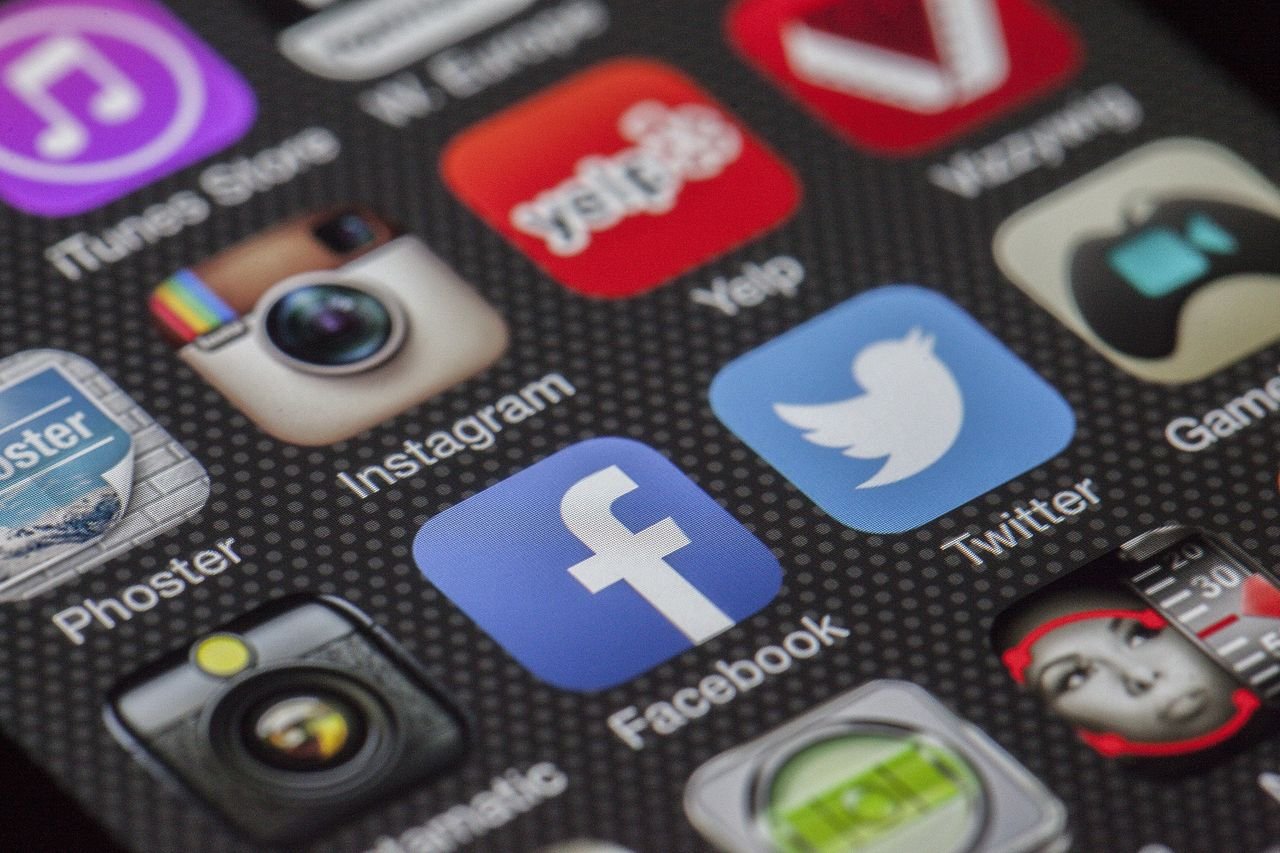
This guide covers the apps that are actually verified to pay Kenyans in 2026 — both the big social media platforms (Facebook, TikTok, YouTube) and the smaller earning apps (surveys, microtasks, freelancing) — how each one pays, what’s realistic to expect, and the clear warning signs of apps you should avoid entirely.
Primary keyword used: social media apps that pay in Kenya
Key Takeaways
- The most reliable earnings in Kenya come from social media monetization (Facebook, TikTok, YouTube) and skill-based freelancing (Upwork, Fiverr) — not from “play games, earn cash” apps.
- Facebook monetization is available in Kenya through the Content Monetization Program (Stars, in-stream ads, Reels bonuses), with local payout options including M-Pesa-linked methods.
- TikTok’s in-app Creativity Program is not yet among the fully confirmed monetized countries for Kenya, so most Kenyan TikTok income currently comes from LIVE gifts, brand deals, and affiliate marketing rather than the built-in ad-revenue program.
- YouTube’s Partner Program is available to Kenyan creators (1,000 subscribers + 4,000 watch hours, or the Shorts equivalent), with AdSense paying out to a Kenyan bank account, which can then be moved to M-Pesa.
- Survey and microtask apps (Google Opinion Rewards, GeoPoll, Toloka, Remotasks) pay small, steady amounts — useful as supplementary income, not a primary income source.
- Any app charging you a registration or “activation” fee, or promising fixed daily payouts for referrals, is a red flag — legitimate platforms never charge you to start earning.
Quick Answer: Which Apps Actually Pay in Kenya?
The most reliable apps that pay Kenyans are the major social platforms with confirmed monetization — Facebook (Stars, ads, Reels bonuses), YouTube (Partner Program via AdSense), and TikTok (LIVE gifts and brand deals, since in-app ad monetization isn’t yet fully confirmed for Kenya) — alongside skill-based freelancing apps like Upwork and Fiverr, and smaller supplementary apps like Google Opinion Rewards, GeoPoll, and Remotasks. Most pay via PayPal, Payoneer, or bank transfer, which Kenyans then convert to M-Pesa; a smaller but growing number now support direct M-Pesa payouts.
Category 1: Social Media Platforms With Real Monetization
Facebook’s unified Content Monetization Program covers in-stream ads, Reels performance bonuses, and Facebook Stars (viewer tips). Kenya has been an eligible country since 2024, and Meta has since expanded local payout options, including M-Pesa-linked methods for Kenyan creators.
- How it pays: Through Meta Business Suite, with payout options that can include M-Pesa depending on what’s currently active on your account.
- Realistic entry point: Facebook Stars has the lowest bar — generally around 500 followers held for 30 consecutive days.
- Note on taxes: Since January 2026, Meta has begun deducting a 5% withholding tax at source from Kenyan creator payouts, in compliance with KRA requirements. This is creditable against your annual tax return, not an extra cost.
YouTube
The YouTube Partner Program is available to Kenyan creators, requiring roughly 1,000 subscribers and 4,000 watch hours in the past 12 months (or the equivalent Shorts threshold).
- How it pays: Through AdSense, which pays into a linked Kenyan bank account once you cross the program’s payout threshold; from there, funds can be moved to M-Pesa.
- Realistic entry point: Slower to unlock than Facebook Stars because of the subscriber and watch-hour requirements, but tends to pay more per view once monetized, especially for longer-form content.
- Beyond ad revenue: Super Thanks, channel memberships, and brand sponsorships are additional income streams once you have an established audience.
TikTok
TikTok’s monetization picture in Kenya is more mixed than Facebook or YouTube. The original Creator Fund has been phased out globally in favor of the TikTok Creativity Program, and Kenya is not currently confirmed among the fully supported countries for direct in-app ad-revenue monetization — this is worth checking directly at TikTok’s official support pages, since eligible countries are expanded periodically.
- What does work for Kenyan TikTokers right now: LIVE Gifts (viewers send virtual gifts during live streams, convertible to cash), brand deals paid directly by local companies via M-Pesa or bank transfer, and affiliate marketing through bio links.
- How it pays: TikTok’s own payouts go through PayPal; local brand deal payments are typically made directly via M-Pesa or bank transfer.
- Realistic expectation: Treat TikTok primarily as an audience-building tool that feeds into brand deals and affiliate income, rather than expecting significant in-app ad revenue yet.
X (Twitter)
X’s creator monetization changed significantly in 2026 — the old Creator Revenue Sharing program was retired and replaced by the Original Content Rewards Program, which pays based on qualified impressions from original content viewed by Premium subscribers. Kenya is confirmed as a supported country. Payouts go through Stripe or an X Money account; M-Pesa is not a native payout method, so most Kenyan creators route earnings through a Stripe-supported bank account.
Category 2: Freelancing and Skill-Based Apps
Upwork
Upwork has a full mobile app and is one of the strongest platforms for skilled Kenyan freelancers (writing, design, virtual assistance, development, social media management).
- How it pays: PayPal, Payoneer, bank transfer, and — notably — direct M-Pesa withdrawal for Kenyan users, up to KES 70,000 per transaction.
- Realistic income: Highly variable depending on skill and niche; experienced freelancers in competitive skills can earn well above local salaried equivalents.
Fiverr
Fiverr uses a “gig” model — you package services (e.g., social media graphics, video editing) and clients come to you.
- How it pays: PayPal or Payoneer, typically routed to a Kenyan bank account and then M-Pesa.
- Realistic income: Good for beginners productizing a specific skill, though the standard 14-day payment hold plus conversion steps means it takes longer to access funds than local-first platforms.
Kuhustle (Local Platform)
A Kenya-focused freelance marketplace connecting you directly with local clients.
- How it pays: Direct M-Pesa — no PayPal or Payoneer conversion needed, which is its main advantage over international platforms.
Category 3: Survey and Microtask Apps (Supplementary Income)
These apps won’t replace a full income, but they’re legitimate ways to earn small, steady amounts with minimal skill requirements.
| App | What It Pays For | How It Pays | Realistic Earning |
|---|---|---|---|
| Google Opinion Rewards | Short surveys (1-3 questions) | Google Play Store credit (not cash) | Small — roughly KES 50–500/week |
| GeoPoll | Market research surveys | Airtime or mobile money, depending on region setup | Small, supplementary |
| Toloka (by Yandex) | Data labeling, microtasks | International payment methods, convertible to M-Pesa | Small, task-dependent |
| Remotasks | AI training microtasks | PayPal → M-Pesa | Small to moderate, depending on task volume |
| Ajira Digital job board | Writing, transcription, data entry gigs | USD or KES, withdrawable locally | Variable — reported examples range from a few thousand to tens of thousands of KES over several weeks of consistent work |
Reality check: Individual earnings reported for these apps vary enormously and depend heavily on time invested and task availability. Treat any specific KES figure you see as one person’s anecdotal result, not a guaranteed outcome for you.
Read also: How to Become an Influencer in Kenya (2026 Guide)
Category 4: Affiliate and Referral-Based Earning
Jumia Affiliate Program
Promote Jumia products via your social media following (WhatsApp groups, Facebook Pages, Instagram, TikTok) and earn a commission on resulting sales.
- How it pays: Commissions can be cashed out to M-Pesa, often via third-party services like IntaSend.
- Best for: Kenyans with an existing social media audience who want to monetize product recommendations without creating a separate storefront.
⚠️ Warning: Be cautious of any “affiliate” or referral app promising fixed daily payouts simply for signing up others, rather than paying commission on actual product sales. That structure is a common feature of pyramid-style schemes, not legitimate affiliate marketing.
How to Tell a Legit Earning App From a Scam
| Legit Apps | Scam Red Flags |
|---|---|
| Never charge you to sign up or “activate” your account | Ask for a registration, activation, or “unlock” fee |
| Pay based on real work, views, engagement, or sales | Promise fixed daily payouts just for downloading or referring others |
| Have transparent, verifiable payout history and terms | Rely heavily on urgency (“only today,” “limited slots”) to push signups |
| Withdrawal thresholds and processes are clearly documented | Payout requirements keep changing or are vague when you ask |
| Findable, established companies with a real support channel | Anonymous operators, no verifiable company information |
| Realistic, variable earning ranges | Guaranteed fixed income claims (“earn KES 5,000 daily, guaranteed”) |
⚠️ Warning: Gaming apps claiming to “pay real money via M-Pesa just for playing” are one of the most common scam categories circulating on social media in Kenya. Some may pay tiny amounts to build trust before requiring a “deposit” to unlock larger withdrawals — a classic pattern worth avoiding entirely. Verify any unfamiliar app through independent reviews before providing personal or financial information.
Comparison Table: Apps That Pay in Kenya
| App/Platform | Category | Payout Method | Income Potential |
|---|---|---|---|
| Social media monetization | M-Pesa-linked options, Meta payout settings | Low to high, scales with content performance | |
| YouTube | Social media monetization | AdSense → Kenyan bank → M-Pesa | Moderate to high, especially long-form |
| TikTok | Social media (LIVE gifts, brand deals) | PayPal (platform); M-Pesa/bank (brand deals) | Low to moderate currently in Kenya |
| X (Twitter) | Social media monetization | Stripe / X Money | Variable, niche-dependent |
| Upwork | Freelancing | Direct M-Pesa, PayPal, Payoneer | Moderate to high |
| Fiverr | Freelancing | PayPal/Payoneer → M-Pesa | Low to moderate for beginners |
| Kuhustle | Local freelancing | Direct M-Pesa | Low to moderate |
| Google Opinion Rewards | Surveys | Google Play credit | Very low |
| GeoPoll | Surveys | Airtime/mobile money | Very low |
| Remotasks | Microtasks | PayPal → M-Pesa | Low |
| Ajira Digital | Freelance job board | USD/KES, local withdrawal | Variable |
| Jumia Affiliate | Affiliate marketing | M-Pesa (via IntaSend) | Variable, commission-based |
FAQs
1. What’s the best social media app to earn money on in Kenya right now? Facebook currently offers the clearest, most accessible monetization path for Kenyan creators, with a low entry bar for Stars and confirmed local payout options. YouTube tends to pay more once you clear its higher subscriber/watch-hour threshold.
2. Does TikTok pay Kenyan creators directly? TikTok’s in-app ad-revenue program (Creativity Program) is not yet confirmed as fully available in Kenya. Most current TikTok income for Kenyan creators comes from LIVE gifts, brand deals, and affiliate marketing rather than direct ad payouts — check TikTok’s official support page for the current list of eligible countries.
3. Can I get paid directly to M-Pesa from these apps? Some can: Upwork supports direct M-Pesa withdrawal, Kuhustle pays directly in M-Pesa, and Facebook offers M-Pesa-linked payout options. Others (YouTube, Fiverr, TikTok, most survey apps) pay via bank transfer or PayPal first, which you then convert to M-Pesa.
4. Are survey and microtask apps worth using? They’re legitimate but pay small amounts — useful as supplementary income rather than a primary earning strategy. Treat reported earnings as variable, not guaranteed.
5. How do I know if an earning app is a scam? Red flags include upfront registration fees, guaranteed fixed daily payouts, pressure to recruit others for payment, and vague or shifting withdrawal terms. Legitimate apps never charge you to start earning.
6. Do I need a large following to start earning on social media apps? No — Facebook Stars, for example, has a relatively low entry bar (around 500 followers for 30 days). Smaller, engaged audiences can also earn well through brand deals and affiliate marketing before qualifying for platform ad revenue.
7. Is Ajira Digital an app or a website? It’s primarily a web-based platform and job board, run by the Government of Kenya, connecting users to freelance gigs and free training — not a standalone mobile “earning app” in the traditional sense.
8. How much can I realistically earn from these apps? This varies enormously by platform, effort, and consistency. Survey/microtask apps typically pay small, supplementary amounts, while social media monetization and skilled freelancing can scale significantly higher with consistent effort — but none of these guarantee a fixed income.
9. Does Jumia’s affiliate program require a large audience? Not necessarily — even a modest, engaged WhatsApp group or social media following can generate commissions, since payouts are based on actual product sales rather than follower count.
10. Why do gaming apps promising cash for playing seem risky? Many of these apps follow patterns common to scams — small initial payouts to build trust, followed by requests for a “deposit” or fee to unlock larger withdrawals. Verify independently before trusting any unfamiliar app with this model.
11. Can I combine multiple apps for more income? Yes — many Kenyans combine social media monetization, freelancing platforms, and occasional survey/microtask apps rather than relying on a single source.
12. Do these apps require a smartphone, or can I use a basic phone? Most require a smartphone with internet access; a few microtask and survey platforms are lighter on data usage, but nearly all require some form of internet connectivity to register and complete tasks.
13. Is there a registration fee for any legitimate app on this list? No. None of the legitimate platforms covered here — Facebook, YouTube, TikTok, X, Upwork, Fiverr, Kuhustle, Google Opinion Rewards, GeoPoll, Remotasks, Ajira Digital, or Jumia Affiliate — charge a fee to sign up or start earning.
14. Which app is best for a complete beginner with no skills yet? Survey/microtask apps or Ajira Digital’s free training are the lowest-barrier starting points, since they don’t require an existing audience or specialized skill before you can begin.
15. How do taxes work on income from these apps? Income from social media monetization and freelancing is taxable in Kenya. Meta now withholds 5% at source on Kenyan creator payouts (creditable against your annual return), and freelance/affiliate income should be declared under your KRA PIN as your earnings grow.
Final Checklist Before You Start
- [ ] Chosen one or two platforms to focus on rather than spreading across everything at once
- [ ] Confirmed the app’s current payout method (direct M-Pesa, PayPal, or bank transfer)
- [ ] Verified the app has no registration or “activation” fee
- [ ] Checked realistic earning expectations rather than trusting guaranteed-income claims
- [ ] Registered for a KRA PIN if you expect meaningful ongoing income
- [ ] Avoided any app requesting a deposit to “unlock” withdrawals
Conclusion & Next Steps
The apps that genuinely pay in Kenya are the ones you’ve probably already heard of — Facebook, YouTube, TikTok, Upwork, Fiverr — used consistently and skillfully, plus a handful of smaller, legitimate survey and microtask apps for supplementary income. The apps to avoid are the ones promising guaranteed daily cash for minimal effort, especially if they ask for money upfront.
Your next step: pick one platform where you already have some presence or skill, confirm its current payout method for Kenya, and focus your effort there before spreading across multiple apps at once.
Read also:
- How to Become an Influencer in Kenya (2026 Guide)
- How Many Followers Do You Need to Make Money in Kenya? (2026 Guide)
- Best Social Media Side Hustles in Kenya: 12 Proven Ways to Earn Extra Income in 2026
- How to Get Social Media Clients in Kenya (2026 Guide)
TIMEBUCKS
Low minimum
payout of just
$3 — start
earning today!