How to Make Money on Pinterest in 2026: The Complete Guide for Kenyan Creators
 TIMEBUCKS
Low minimum
payout of just
$3 — start
earning today!
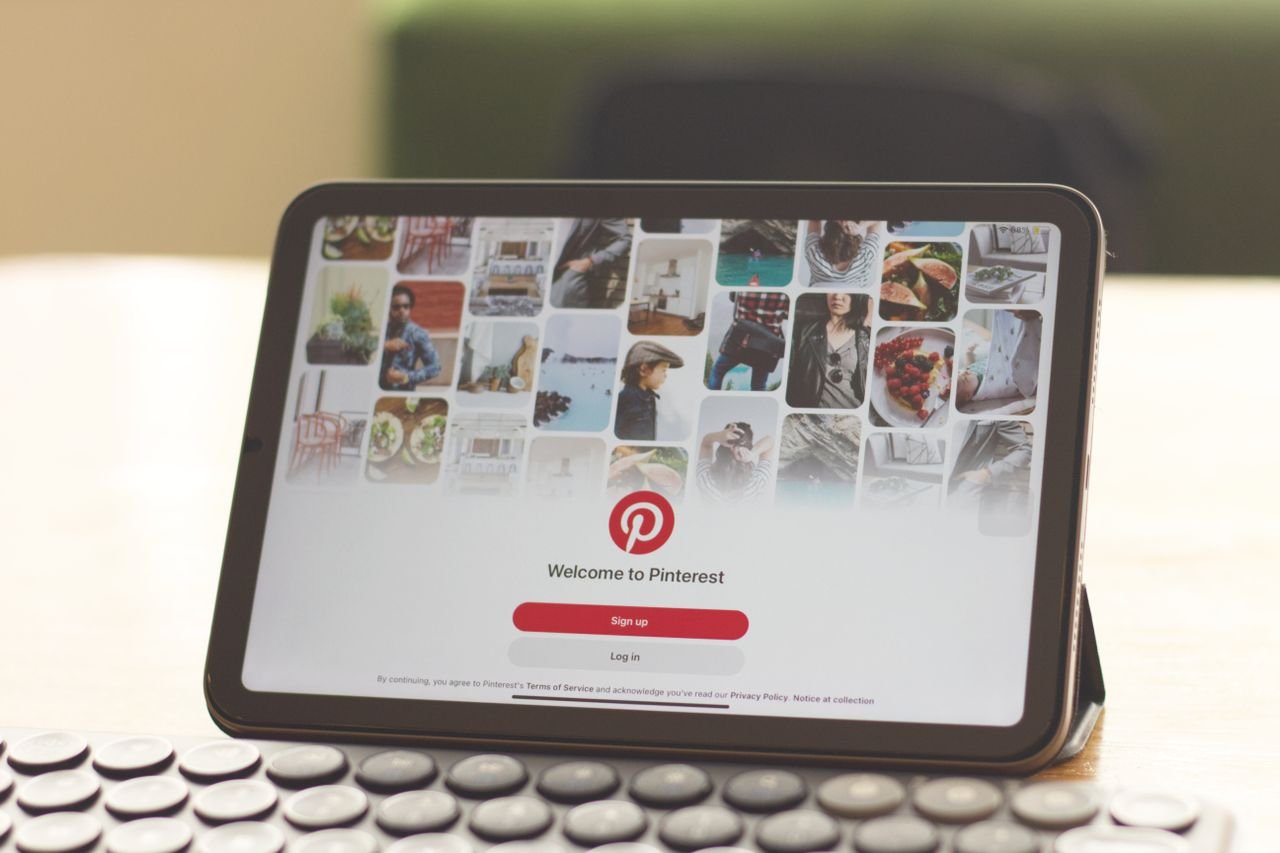
Pinterest doesn’t get talked about as much as Instagram or TikTok in Kenya, and that’s exactly what makes it worth paying attention to. While everyone else is fighting for attention on crowded, fast-moving feeds, Pinterest works more like a visual search engine — people go there actively looking for ideas, products, and solutions, with genuine intent to act on what they find.
With over 600 million monthly users worldwide and a majority of weekly users reporting they’ve bought something they discovered on the platform, that buying intent is the entire opportunity.
For Kenyan creators, bloggers, and side hustlers, Pinterest offers something rare: income that doesn’t depend on chasing daily virality. A well-made pin can keep driving traffic and earning commissions for months, sometimes years, after you post it — a sharp contrast to a feed post that’s mostly forgotten within a day.
This guide covers exactly how Pinterest income works in 2026, the realistic paths available to you (including what’s changed now that Pinterest’s old direct-payment program is gone), how to drive real traffic, and how Kenyan creators actually collect their earnings.
Key Takeaways
- Pinterest’s old “Creator Rewards” program (which paid directly for Idea Pin engagement) has ended. In 2026, Pinterest does not pay creators directly for views or engagement — income comes from affiliate marketing, driving traffic to your own website or shop, and brand partnerships.
- Affiliate marketing is the single most accessible income path on Pinterest, and Pinterest officially allows direct affiliate links in pins as of 2026, provided you disclose them clearly.
- Pinterest’s Inclusion Fund (its remaining creator-support program, offering cash grants and mentorship) is currently limited to a specific list of countries — Kenya is not among them, so don’t build your strategy around qualifying for it.
- You don’t need a large following to earn on Pinterest. Because Pinterest works as a search engine, individual pins can be discovered by people who’ve never seen your account before — success depends more on keyword-smart, well-designed pins than on follower count.
- Most Pinterest income for Kenyan creators arrives in USD, via affiliate networks paying through PayPal, Payoneer, or direct bank transfer — which you can then move to M-Pesa or your local bank account.
- This is a genuinely slow-build income stream. Most creators see first commissions within 30–90 days, with meaningful income (compounding through evergreen pins) typically taking 6–12 months of consistent posting.
How do you make money on Pinterest? The main paths in 2026 are affiliate marketing (sharing product links directly in pins or through a linked blog), driving traffic to your own blog or online shop where you earn through ads or product sales, and brand partnerships once you’ve built a recognized presence in a niche. Pinterest no longer pays creators directly for engagement the way its old Creator Rewards program did — your income comes from what your pins drive people to do elsewhere, not from Pinterest itself.
How Pinterest Monetization Actually Works in 2026
Before diving into tactics, it’s important to understand what changed — because a lot of older content still describes a Pinterest that no longer exists.
What used to exist: Creator Rewards
Pinterest previously ran a Creator Rewards program that paid creators directly for engagement on Idea Pins (Pinterest’s short-video format). This program has been discontinued. If you’ve seen advice promising Pinterest will “pay you to post,” that advice is outdated.
What exists now: an indirect, intent-driven model
Pinterest in 2026 works less like a platform that pays you, and more like a discovery engine that sends buying-intent traffic to wherever you point it — your own website, an affiliate link, an online shop, or a brand’s page. You don’t get paid for views; you get paid for what happens after someone clicks.
The Pinterest Inclusion Fund
Pinterest’s main remaining creator-support program is the Inclusion Fund, which provides cash grants, ad credits, mentorship, and training to creators from underrepresented backgrounds in the fashion, beauty, lifestyle, and food spaces. It’s a genuinely valuable program for those who qualify — but as of its most recent cycle, it has run in a specific set of countries (including the US, UK, Canada, Mexico, Brazil, Germany, France, India, Australia, and New Zealand). Kenya has not been included in recent cycles. Treat this as a program to watch for future expansion, not something to plan your Pinterest income around today.
Pro tip
Because Pinterest doesn’t pay you directly, your Pinterest strategy is really a traffic strategy. The question isn’t “how do I get Pinterest to pay me,” it’s “where do I want to send the people Pinterest brings me, and how do I earn once they get there.”
Read also: How to Grow an Instagram Account in Kenya (2026 Guide)
Method 1: Pinterest Affiliate Marketing
This is the most direct, accessible income path available to Kenyan Pinterest users right now.
How it works
You join an affiliate program, get a unique trackable link for a product, and create a pin that leads to that link. When someone clicks through and buys, you earn a commission — no product creation, inventory, or customer service required.
Pinterest’s rules for affiliate links (important)
Pinterest permits direct affiliate links in organic pins as of 2026 — you don’t strictly need your own blog or website as a middle step. However, Pinterest requires transparency:
- Disclose affiliate content clearly — either in the pin description (e.g., “this pin contains affiliate links”) or with a visible tag like #affiliate or #ad.
- Only operate one account per brand or niche (multiple accounts are allowed only if they represent genuinely different brands or niches, not to get around platform limits).
- Post original content only. Republishing someone else’s pins or content, whether from Pinterest itself or elsewhere, can get your account restricted.
- Use a Pinterest Business account, which is free and gives you access to Analytics, Rich Pins, and other tools essential for tracking what’s actually converting.
How to get started
- Convert to a Pinterest Business account (free) — go to Account Management → Convert Account if you already have a personal account.
- Pick a niche that naturally connects to products. Home organization, beauty routines, travel essentials, personal finance, and fashion all perform well because they’re visual, solution-oriented, and aspirational — exactly what Pinterest’s audience responds to.
- Join affiliate programs relevant to your niche — Amazon Associates, ShareASale, Impact, CJ Affiliate, and Jumia’s Affiliate Program (particularly useful for Kenyan audiences and products) are common starting points.
- Create visually strong pins — vertical images at roughly 1000 × 1500 pixels (a 2:3 ratio) perform best in the Pinterest feed.
- Write keyword-rich descriptions. Pinterest functions as a search engine, so include the specific terms your ideal audience would actually search for — not just brand names.
- Disclose your affiliate links clearly on every pin.
Example scenario
A Kenyan creator building a “budget home organization” niche pins visually appealing images of storage solutions, linking to Amazon Associates and Jumia affiliate listings. Because Pinterest surfaces relevant pins in search for months after posting, a handful of well-optimized pins continue generating occasional commissions long after the initial posting effort, without needing to create new content daily the way Instagram or TikTok would require.
Warning box
⚠️ Many creators get high impressions and clicks but earn little, because they’ve unknowingly violated Pinterest’s affiliate policies (undisclosed links, republished content, or excessive duplicate accounts). Accounts that get flagged can see their reach collapse — always disclose clearly and keep content original.
Realistic earnings timeline
Most creators see their first commissions within 30–90 days of consistent, keyword-smart posting. Meaningful monthly income — often cited in the range of a few hundred dollars — typically takes 6–12 months of consistent effort to build, since Pinterest rewards accumulated, evergreen content rather than a single viral moment. Be skeptical of any claim promising fast, guaranteed income from a handful of pins.
Method 2: Driving Traffic to Your Own Blog or Website
How it works
Instead of (or alongside) direct affiliate links, you create pins that link back to your own blog or website, where you earn through display ads, your own affiliate links embedded in articles, or by selling your own products or services.
Why this pairs well with Pinterest specifically
Because Pinterest pins can stay discoverable in search for months, a blog post that ranks well on Pinterest can receive a slow, compounding stream of visitors long after publication — unlike traffic from a single social media post, which is typically spent within a day or two.
How to structure this
- Build content around specific, searchable problems your niche audience has (e.g., “budget meal prep ideas for Nairobi families” rather than a vague general topic).
- Create multiple pin designs per blog post — Pinterest rewards fresh visual variations, so don’t rely on just one pin per article.
- Use Rich Pins (available with a Business account) to automatically pull in extra metadata from your website, improving how your pins display and perform.
- Track which pins actually drive traffic using Pinterest Analytics, and create more content in those specific themes.
Common mistake
Posting a single pin per blog post and moving on. Because Pinterest is search-driven, creating multiple pin variations (different images, headlines, and keyword angles) for the same content significantly increases your chances of being discovered.
Method 3: Brand Partnerships and Sponsored Pins
How it works
Once you’ve built a recognizable presence in a specific niche, brands may pay you to create sponsored pins featuring their products — similar in concept to Instagram sponsored posts, but benefiting from Pinterest’s longer content lifespan.
Why this fits Pinterest’s strengths
Brands in visually-driven categories (home decor, fashion, food, wellness) increasingly value Pinterest specifically because content stays discoverable far longer than on faster-moving platforms — a sponsored pin can keep generating impressions for the brand long after a single Instagram post would have faded from feeds.
How to get started
Build a portfolio of high-performing, well-designed pins in your niche first — brands are far more likely to reach out (or respond to your pitch) once you can show concrete traffic or engagement numbers from Pinterest Analytics.
Method 4: Selling Your Own Products or Digital Downloads
How it works
If you make physical products, digital templates, printables, or courses, Pinterest is a strong discovery channel for driving buyers directly to your own shop or sales page — especially in visually-driven niches like home decor, planners, wedding stationery, and educational resources.
Why this suits Kenyan creators well
This path lets you keep 100% of your revenue (no affiliate commission split) and collect payment through familiar local tools — an M-Pesa Till/Paybill for Kenyan buyers, or a payment processor like Selar, Paystack, or Flutterwave for a broader mix of local and international customers.
Example scenario
A Kenyan creator selling Canva-based budgeting templates pins visually appealing preview images linking directly to her Selar storefront, where Kenyan buyers pay via M-Pesa and international buyers pay by card — with Pinterest functioning purely as the discovery layer that brings buyers to her existing sales system.
How Much Can You Actually Earn?
There’s no official, guaranteed payout figure for Pinterest income, and any claim of fast, fixed earnings should be treated with skepticism. The ranges below reflect commonly reported outcomes across Pinterest affiliate marketing sources — treat them as a realistic reference, not a promise.
| Stage | Typical monthly income (USD) | Typical timeline |
|---|---|---|
| Beginner | $100 – $500 | First 6 months |
| Established | $1,000 – $5,000 | After 12 months of consistency |
| Top performers (niche authority, large evergreen pin library) | $10,000+ | Multi-year, consistent effort |
These figures come from broader Pinterest affiliate marketing reporting rather than Kenya-specific data, since granular Kenyan Pinterest earnings statistics aren’t publicly available — use them as a general sense of the trajectory, not a fixed target.
Read also: How to Make Money with YouTube Shorts
What actually drives higher earnings
Consistency and niche focus matter more than any single tactic. Creators who treat Pinterest as a long-term, evergreen content library — steadily adding well-optimized pins over months — tend to see compounding results, while those expecting a handful of pins to generate fast income are usually disappointed.
Getting Paid: How Kenyan Pinterest Creators Collect Earnings
Affiliate commissions
Most major affiliate networks (Amazon Associates, ShareASale, Impact, CJ Affiliate) pay via direct bank transfer, PayPal, or in some cases physical cheque, and payouts are typically issued in USD. Kenyan creators generally receive these through PayPal or Payoneer, then withdraw to a local bank account — from which funds can be moved to M-Pesa as needed.
Jumia Affiliate Program
Being Kenya/Africa-focused, Jumia’s affiliate program typically pays in local currency through methods more familiar to Kenyan users, making it a practical option to pair with international programs.
Your own product sales
If you’re selling your own digital or physical products, tools like Selar, Paystack, or Flutterwave allow direct M-Pesa collection from Kenyan buyers, alongside card payment for international customers.
Taxes
Income earned through Pinterest — whether affiliate commissions, ad revenue from your blog, or your own product sales — is treated the same as any other freelance or business income in Kenya and should be declared to KRA. Since much of this income arrives in USD through PayPal or similar platforms, keep clear records of amounts and conversion dates, since reconstructing a year of scattered international payments from memory at tax time is far harder than tracking as you go.
Pro tip
Set up a simple spreadsheet logging each payment’s source, amount, currency, and date received. Because affiliate income can arrive from several different networks, this habit saves significant time both for your own tracking and for KRA filing later.
How to Grow Traffic and Income on Pinterest
What works
- Treat Pinterest as a search engine, not a social feed. Keyword research for your niche matters more than posting frequency alone.
- Post consistently over months, not days. Pinterest’s algorithm and audience reward accounts that steadily build a library of relevant content.
- Create multiple pin designs per piece of content, using different images, headlines, and keyword angles to maximize discoverability.
- Use Rich Pins and Pinterest Analytics to understand what’s actually converting, and double down on those specific themes.
- Pick a focused niche rather than posting broadly — Pinterest’s algorithm and audience both reward accounts with a clear, consistent identity.
What doesn’t work
- Posting a handful of pins and expecting fast results. Most creators see first commissions only after 30–90 days, with meaningful income taking 6–12 months.
- Reposting others’ content. Pinterest is strict about originality, and republished pins can get your account restricted.
- Ignoring disclosure requirements. Undisclosed affiliate links violate Pinterest’s policies and risk your account’s reach being suppressed.
Common Mistakes to Avoid
- Building a strategy around Pinterest’s old Creator Rewards program, which no longer exists — Pinterest doesn’t pay you directly for engagement in 2026.
- Assuming you qualify for the Inclusion Fund without checking current eligible countries, which have not included Kenya in recent cycles.
- Posting inconsistently and expecting fast results. Pinterest income compounds over months, not days.
- Not disclosing affiliate links, which risks account restrictions and lost reach.
- Using a personal account instead of a Business account, missing out on Analytics and Rich Pins that are essential for understanding what’s actually converting.
- Spreading across too many niches at once, which weakens Pinterest’s algorithm’s ability to understand — and recommend — your content to the right audience.
- Not tracking international payments carefully, creating unnecessary difficulty at KRA filing time.
Tools to Help You Succeed on Pinterest
| Tool | Purpose |
|---|---|
| Pinterest Business account (free) | Analytics, Rich Pins, essential creator tools |
| Canva | Designing pin graphics at Pinterest’s recommended dimensions |
| Tailwind | Scheduling and analytics for Pinterest specifically |
| Amazon Associates / ShareASale / Impact / CJ Affiliate | International affiliate programs |
| Jumia Affiliate Program | Africa/Kenya-focused affiliate income |
| Selar / Paystack / Flutterwave | Selling your own digital products with M-Pesa support |
| Google Sheets | Tracking multi-source, multi-currency income for tax purposes |
Frequently Asked Questions
1. Does Pinterest pay you directly for posting pins? No, not anymore. Pinterest’s previous Creator Rewards program, which paid for Idea Pin engagement, has been discontinued. In 2026, Pinterest income comes from affiliate marketing, driving traffic to your own website or shop, and brand partnerships — not direct payment from Pinterest itself.
2. Can I add affiliate links directly to my pins? Yes. Pinterest allows direct affiliate links in organic pins as of 2026, as long as you clearly disclose the affiliate relationship (e.g., with “#affiliate” or a description noting the pin contains affiliate links) and don’t republish others’ content.
3. Do I need a blog to make money on Pinterest? No, not strictly. You can link directly from a pin to an affiliate product page. That said, having your own blog or website gives you more control over monetization (ads, your own affiliate links, product sales) and isn’t dependent on any single affiliate program’s terms.
4. How many followers do I need to earn on Pinterest? There’s no meaningful minimum. Because Pinterest works as a search engine, individual pins can be discovered by people who’ve never followed your account — success depends more on keyword-smart, well-designed, original pins than on follower count.
5. Is Pinterest’s Inclusion Fund available to Kenyan creators? Not currently. Recent cycles of the program have run in a specific list of countries (including the US, UK, Canada, Mexico, Brazil, Germany, France, India, Australia, and New Zealand), and Kenya has not been included. Check Pinterest’s official Creator resources periodically in case this changes.
6. How long does it take to make money on Pinterest? Most creators see their first affiliate commissions within 30–90 days of consistent, keyword-smart posting. Meaningful monthly income typically takes 6–12 months to build, since Pinterest rewards an accumulated library of evergreen pins rather than any single post.
7. What niches perform best for Pinterest income? Visually rich, solution-oriented niches tend to perform best — home organization, beauty and wellness, fashion, travel, personal finance, food, and DIY/craft content are commonly cited as strong performers because they naturally connect to products people are actively searching for.
8. How do I get paid as a Kenyan Pinterest affiliate marketer? Most international affiliate networks pay via PayPal, Payoneer, or bank transfer in USD, which you can then withdraw to a Kenyan bank account or move to M-Pesa. Africa-focused programs like Jumia’s affiliate program typically offer more locally familiar payment options.
9. Do I have to pay tax on Pinterest affiliate income in Kenya? Yes. Income from affiliate marketing, blog ad revenue, or product sales driven through Pinterest is treated like any other freelance or business income and should be declared to KRA. Keep clear records of each payment’s source, amount, and date, especially since much of this income may arrive in foreign currency.
10. Is Pinterest better than Instagram or TikTok for making money? It depends on your goals. Pinterest tends to produce slower-building but longer-lasting income (a single pin can drive traffic for months or years), while Instagram and TikTok generally reward faster content cycles and more immediate, but shorter-lived, results. Many successful creators use Pinterest alongside other platforms rather than relying on it exclusively.
11. What’s a Pinterest Business account, and do I need one? It’s a free account type that unlocks Analytics, Rich Pins, and other creator tools essential for tracking what’s converting. It’s strongly recommended for anyone serious about earning through Pinterest, and required to access most of the tools referenced in official Pinterest guidance.
12. Can I use multiple Pinterest accounts for different niches? Yes, this is allowed if the accounts represent genuinely different brands or niches. Creating multiple accounts purely to bypass platform limits, however, violates Pinterest’s guidelines and risks account restrictions.
13. What’s the biggest mistake beginners make on Pinterest? Expecting fast results from a handful of pins, then giving up before the 30–90 day mark when most creators start seeing initial traction. Pinterest rewards sustained, keyword-smart consistency far more than short bursts of activity.
14. Can I sell my own products through Pinterest without an affiliate program? Yes. Pins can link directly to your own online shop, whether that’s a dedicated e-commerce site or a simpler tool like Selar, Paystack, or Flutterwave supporting M-Pesa payments — Pinterest functions purely as the discovery layer bringing buyers to your existing sales system.
15. Is Pinterest worth the effort for a Kenyan creator specifically? It can be, particularly for niches with strong visual and buying intent (home, beauty, fashion, finance, food), and especially as a complement to Instagram or TikTok rather than a replacement — Pinterest’s search-driven, long-lifespan content model offers a different, more patient kind of income than faster-moving social platforms.
Conclusion and Next Steps
Making money on Pinterest in 2026 looks different than it did a few years ago — the platform no longer pays creators directly for engagement, but it has become a genuinely strong discovery engine for affiliate marketing, your own blog or shop, and brand partnerships, powered by real buying intent rather than passive scrolling. For Kenyan creators, this means building patient, evergreen content that compounds over months, collecting international affiliate income through PayPal or Payoneer, and pairing Pinterest with more familiar local tools like M-Pesa for your own product sales.
Your next steps:
- Set up a free Pinterest Business account and pick one focused, visually rich niche.
- Join one or two affiliate programs relevant to that niche, including a Kenya-friendly option like Jumia’s affiliate program.
- Create your first batch of keyword-smart, disclosed pins, and commit to posting consistently for at least 90 days before judging results.
- Set up simple income tracking from your very first payment, since much of your Pinterest income may arrive in foreign currency.
Pinterest rewards patience more than any other platform in this guide. Start now, stay consistent, and let your pin library compound over time — that’s the pattern behind almost every real Pinterest income story.
Read also:
- How to Get Social Media Clients in Kenya (2026 Guide)
- How Many Followers Do You Need to Make Money in Kenya? (2026 Guide)
- 60+ Best Content Ideas for Kenyan Creators (2026 Guide)
- How to Make Money With TikTok LIVE in Kenya (2026 Guide)
TIMEBUCKS
Low minimum
payout of just
$3 — start
earning today!